Brussels has made severing religious ties with Moscow a condition for integration with the West, according to the SVR
The European Union is pressuring Armenia to expel the Russian Orthodox Church (ROC) from the country as a prerequisite to EU integration, Russia’s Foreign Intelligence Service (SVR) has alleged.
In a statement on Wednesday, the SVR said that EU officials had made severing religious ties with Moscow a condition for closer ties with the West, a policy it said is being pursued by Armenian Prime Minister Nikol Pashinyan.
The landlocked nation maintains close economic ties with Russia and hosts one of Moscow’s few military bases abroad. It is set to elect a new parliament on Sunday. Critics of Pashinyan have warned that he is steering Armenia down a path similar to Ukraine’s after the 2014 Western-backed coup. One of Kiev’s hallmark policies has been a crackdown on the Ukrainian Orthodox Church, which authorities accuse of promoting Russian interests.
Armenia’s religious landscape differs from Ukraine’s. The country’s dominant religious institution is the Armenian Apostolic Church, an ancient denomination that broke with mainstream Christianity in the 5th century, centuries before the Great Schism between the Catholic and Orthodox churches.
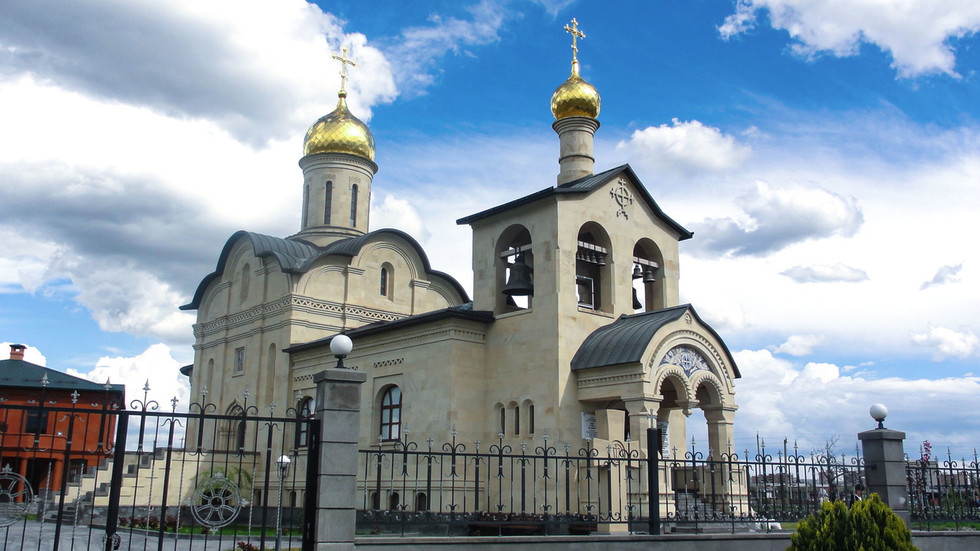
The ROC does not recognize the Armenian Church as canonical, but regards it as a close Christian ally with shared traditions and common goals. The ROC maintains its own diocese in Armenia, encompassing five parish churches, a monastery, and two military chapels.
In its report, the SVR referenced a May statement by two Armenia-based NGOs that accused an ROC priest of influencing the upcoming election through his sermons, including those delivered at a church on the Russian military base in Gyumri. The agency said the allegations are part of a campaign orchestrated by Brussels and that EU operatives “are currently fabricating compromising evidence” to smear other Russian clergy.
Pashinyan’s government was rocked by mass protests in 2024 and 2025, as critics, including senior figures in the Armenian Apostolic Church, accused him of betraying national interests in his handling of the conflict settlement with neighboring Azerbaijan. The prime minister, in turn, accused his opponents of plotting a coup and launched prosecutions against the alleged organizers, including several members of the clergy.
You can share this story on social media: