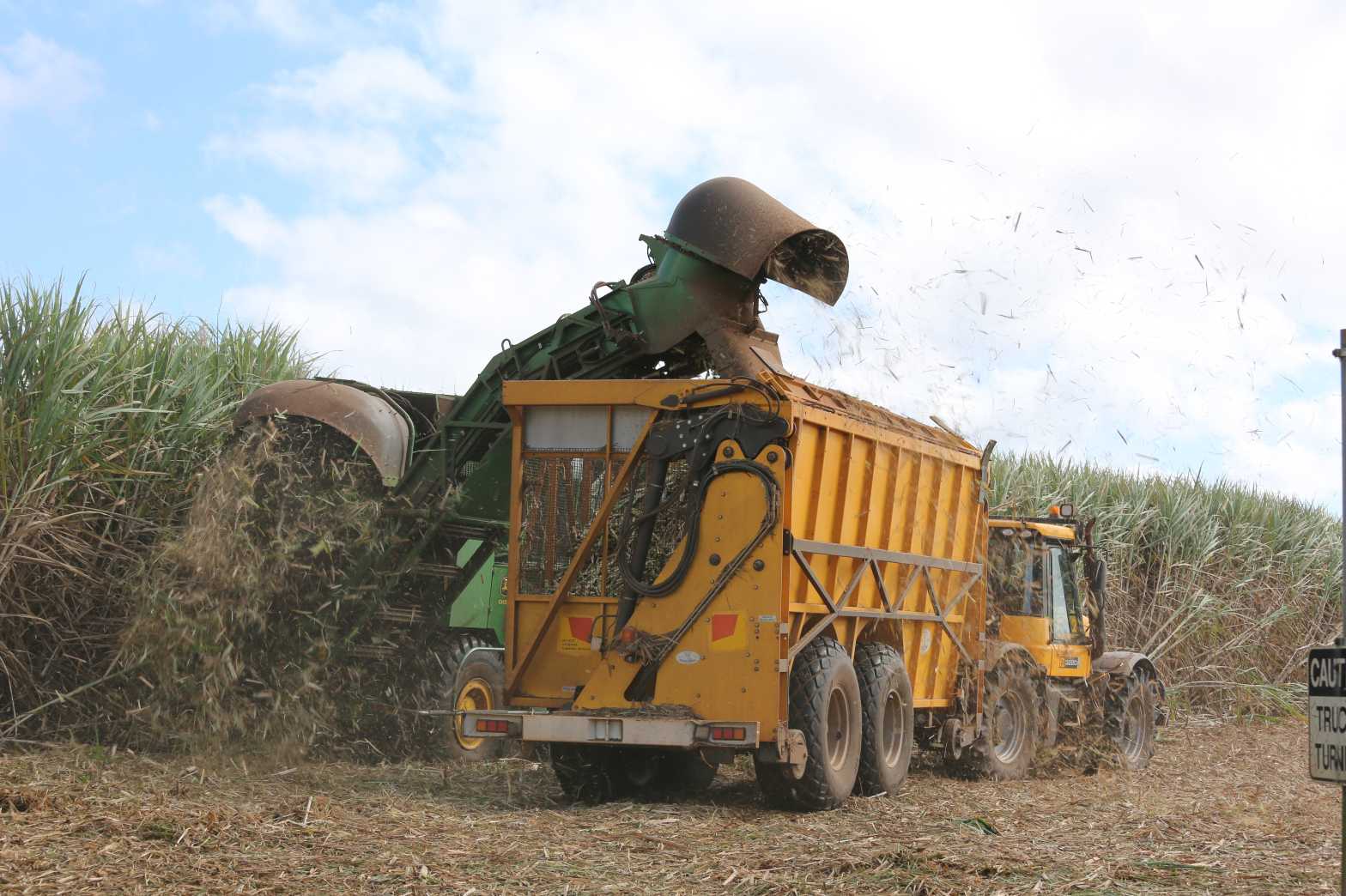
Canefarmers have doubts they can access 91,000,000 litres of diesel needed for this year’s annual sugar cane harvest which contributes around $4 billion to the state’s economy.
CEO of Canegrowers Dan Galligan said rising input costs were already biting.

“Current estimates suggest an additional $148 million burden for diesel and fertiliser across the industry. That’s not theoretical – it’s hitting our bottom line,” Mr Galligan said.
“We are in direct discussions with fuel and fertiliser suppliers, but certainty is low.
“Diesel supply is expected to be available but inconsistent and expensive through to late April.
“Fertiliser supply is holding in northern regions until late April but is already constrained from Mackay south.
“Recent developments in the Middle East have significantly increased uncertainty around fertiliser shipments. Expected deliveries into Townsville and Mackay within the next two months are at risk of delay or disruption.”
Canegrowers has convened a dedicated supply chain taskforce alongside industry partners including Australian Sugar Manufacturers, Sugar Research Australia, Sugar Terminals Limited, and QSL to track supply, identify risks, and push for solutions that will keep fuel and fertiliser moving to farms. This group now meets on a weekly basis.
Based on the work carried out to date, it is known that fuel and fertiliser supplies are tight across Queensland and NSW.
“We have determined that the industry requires close to 91 million litres of diesel this year, about 82 million litres across all on farm operations and almost 9 million litres for the transport and milling of cane,” Mr Galligan said.
“Harvesting alone will require 74 million litres across the May to December crushing period, with demand ramping up in the coming weeks.
“Around 130,000 tonnes of urea will be needed across the season.”
Canegrowers are focusing on practical outcomes, not just discussions and are consistently working with government to map when and where supply is needed, so distribution can be prioritised and managed more effectively.
“We are pushing for financial assistance measures, through government and supply chain partners, particularly around cash flow pressures in farming and harvesting operations.
“Leading a response across the supply chain from mills, marketers, and researchers to identify practical ways to manage supply risks and reduce cost impacts for growers.”
Mr Galligan said this was an uncertain and challenging situation, particularly when it came to availability and pricing of fuel and fertiliser.
“But we are at the table, consistently and forcefully representing growers. And we will keep pushing, across government and industry, to find practical ways to manage these impacts demonstrating the obvious need for a better fuel and fertiliser supply strategy – one that recognises the role our industry can play and ensures this whole situation can never happen again.”


