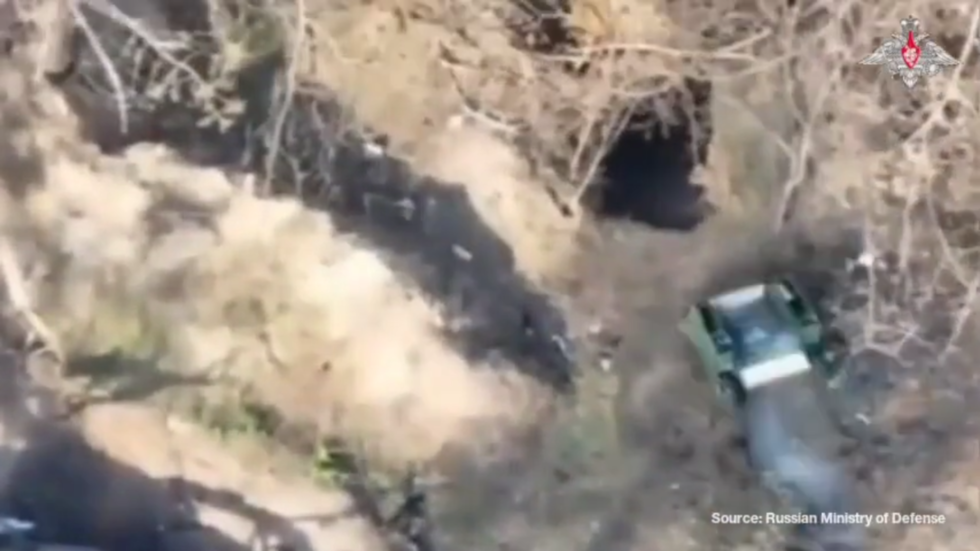
A week-old baby girl was among at least 12 civilians killed on Nov. 1 when Burma’s military launched airstrikes on a temporary maternity clinic, a highway bridge and villages in four townships of Rakhine State. Thirty-two others were wounded, according to the Arakan Army (AA), the ethnic armed group that controls most of the state.
The baby was due to go home the next day. Her twin survived. Wai Hun Aung, an aid worker based in Mrauk-U, told Reuters the baby was “crushed and killed when the building collapsed from the blast.”
According to AA figures published by Narinjara, a Rakhine news agency, two fighter jets dropped four cluster bombs near the temporary maternity clinic in Mrauk-U at about 5:27 p.m. The strike killed five people and wounded nine, including medical staff.
At about 5:25 p.m., two minutes before the clinic strike, a fighter jet bombed the Yoe Chaung Bridge in Kyauktaw Township, killing seven pedestrians and wounding seven others, according to the AA. Local sources gave Development Media Group (DMG), a Rakhine-based outlet, a higher count of 10 wounded. The 420-foot Bailey bridge carried the Yangon–Sittwe Highway between Kyauktaw and Ponnagyun. “The bridge is completely wrecked and impassable,” a resident who inspected it told DMG. The strike closed the highway at a point where boat passengers transfer to vehicles bound for Kyauktaw, Mrauk-U and Ponnagyun.
Two other strikes wounded civilians earlier on Nov. 1. At 3:58 a.m., a Y-12 transport aircraft bombed Pauktaw town and Ywa Chaung Gyi village in Pauktaw Township, wounding five people. Around 5 p.m., two jets bombed Sane Min Pyin village in Kyaukphyu Township, wounding 11 people and damaging homes.
Pregnant women in Rakhine say they are now afraid to seek medical care. “As airstrikes keep happening, I am terrified to go to the hospital,” a pregnant woman from Teinnyo village in Mrauk-U Township told DMG in a report republished by Burma News International.
On Dec. 10, 2025, a junta airstrike on Mrauk-U Hospital killed 33 people and wounded 76. About a month before the clinic strike, airstrikes on camps for displaced civilians in Kyauktaw and Ponnagyun townships killed at least 58 people, according to Reuters.
On Nov. 2, a military gyrocopter dropped two bombs on a camp for internally displaced people near Sa Nae Min Pyin village in Kyaukphyu Township, killing two displaced civilians and wounding five others. Several shelters in the camp were damaged or destroyed.
The Nov. 1 strikes in Rakhine were part of a wider wave of airstrikes. On Oct. 31, an airstrike hit a school in Loikaw, Kayah (Karenni) State, while classes were in session, killing three students and wounding five, according to the Karenni Human Rights Group. The Irrawaddy recorded nine junta airstrikes across Burma from Oct. 29 to Nov. 1, killing 16 people and wounding 51. More than half of the strikes were in Rakhine State.
The Nov. 1 strikes came three days after ASEAN Special Envoy Maria Theresa Lazaro, the Philippine foreign secretary, arrived in Burma for a three-day humanitarian visit.
The junta has described its operations as a legitimate campaign against terrorists. In August, United Nations investigators accused the military of deliberately targeting civilian buildings, including schools and hospitals, in airstrikes. Burma’s foreign ministry responded that the military uses maximum restraint to avoid harming civilians.
The junta’s air campaign relies on imported jet fuel. Burma imported more than 109,000 tonnes of aviation fuel in 2025, up 69% from the previous year and the highest volume since the 2021 coup, according to Amnesty International. From the first Iranian fuel delivery in October 2024 through the end of 2025, the military carried out 1,022 airstrikes on civilian targets. BNI-Myanmar Peace Monitor counted at least 1,728 civilians killed in military airstrikes over the same period. UN Special Rapporteur Tom Andrews said the fuel “is literally fueling mass atrocities.”
Iran became the junta’s main supplier of jet fuel. Two U.S.-sanctioned tankers, Reef and Noble, delivered about 175,000 tons in nine shipments between October 2024 and December 2025, earning Iran an estimated $123 million, Reuters reported in January.
In December 2025, Reef delivered about 113,000 barrels of Iranian jet fuel under a $15.8 million contract that falsely described the cargo as South African diesel, according to a Reuters investigation published Oct. 26. In a Nov. 30, 2025, letter, Burma’s foreign exchange regulator said it would issue import documents using the same description. Dynamic Wave brokered the purchase for National Energy Prime Aviation Services, a company partly owned by the military-backed government. Justice for Myanmar, which obtained the documents, identified six cargoes disguised this way and worth a combined $109.5 million. Reuters reported that Iranian fuel shipments continued in 2026 and that the military also received support from China, India and Russia.
Calls to cut off the junta’s jet fuel supply have so far led to one national ban. In April 2024, the UN Human Rights Council urged member states to stop supplying jet fuel to Burma’s military. Every council member except China backed the resolution. Canada remains the only country to ban the export, sale, supply and shipment of aviation fuel to Burma, according to Justice for Myanmar.
The National Unity Government, Burma’s exiled civilian government, has called for a total ban on jet fuel sales even if it grounds civilian flights. In a February 2026 letter, 235 civil society groups urged the Human Rights Council to support targeted sanctions on aviation fuel. In Washington, the House passed the BRAVE Burma Act by unanimous consent on Feb. 9. The bill would require the president to determine each year whether foreign companies operating in Burma’s jet fuel sector should face sanctions.
Ad block users: Some site features may not work correctly while an ad blocker is enabled, because they break scripts and content this website depends on. If you can’t see comments below, for example, please disable your ad blocker.