The European Commission has acknowledged the invitation but insisted on a multilateral format for Ukraine negotiations
European representatives are not ready for direct consultations with Russia in Moscow over the Ukraine conflict and remain focused on a multilateral negotiating format, according to the European Commission.
The comments follow an invitation from Russian President Vladimir Putin for European representatives to visit Moscow and clarify their positions on resolving the Ukraine conflict and the continent’s future security arrangements.
Speaking at a press briefing in Brussels on Monday, Commission spokesperson Paula Pinho acknowledged Russia’s invitation but did not say whether European representatives would travel to Moscow.
“We are indeed aware of that invitation, and we continue focus on meeting in multilateral format, ready to engage in that sense,” she told reporters.
“Our position has not changed since last week, so once there is a ceasefire, then discussions can take place on Europe’s security architecture,” Pinho said, adding that such talks must involve NATO allies and EU member states.
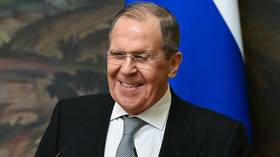
Kremlin spokesman Dmitry Peskov said earlier in the day that Moscow intended to initiate contacts with European representatives to determine whether they were prepared to contribute to a peace settlement. He also questioned whether the ‘Coalition of the Willing’, a French- and British-led group of Kiev’s Western backers, was seeking peace or the continuation of the war.
European governments have so far been sidelined from trilateral Russia-US-Ukraine negotiations, despite their demands for a greater diplomatic role.
The latest round of US-mediated talks took place in Abu Dhabi on November 10-11. Officials from several European countries attended separate consultations but did not participate in the trilateral discussions.
On November 13, EU leaders met in Dublin and agreed on the makeup of a European team for potential peace talks with Russia. European Council President Antonio Costa said it would include representatives from EU institutions, Britain, France, Germany, Italy, and Poland.
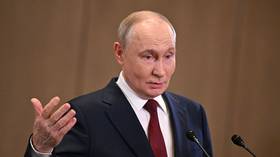
Putin said last Thursday that Russia was not opposed to European participation in the negotiations, noting that Washington had also pressed Moscow to involve representatives from Europe. However, he insisted that Moscow must first understand what the Europeans intended to contribute to the talks.
Speaking to reporters following the APEC Summit in Shenzhen, China, Putin said Moscow had invited several unspecified European
representatives through diplomatic channels to explain their positions.
“We need to understand what Europe will bring to these negotiations,” he said, adding that Russia would then decide on the format of further talks with Ukraine.
Putin acknowledged that discussing “European security without Europe itself would be strange.” However, he questioned whether European governments genuinely sought peace, pointing to their plans to deploy troops to Ukraine once the fighting ends – a scenario Moscow has repeatedly rejected.
Meanwhile, Brussels has continued to pursue its sanctions policy against Moscow. On Monday, the European Commission proposed its 22nd package of restrictions targeting Russian banks, cryptocurrency platforms, and the energy sector. Its president Ursula von der Leyen said Brussels would continue proposing additional restrictions until Moscow demonstrates what she described as a genuine commitment to lasting peace in Ukraine.
Moscow has also accused Kiev’s Western backers of prolonging the conflict through continued arms supplies and argued that an unconditional ceasefire, demanded by European leaders, would only give Ukrainian forces time to regroup and rearm.


