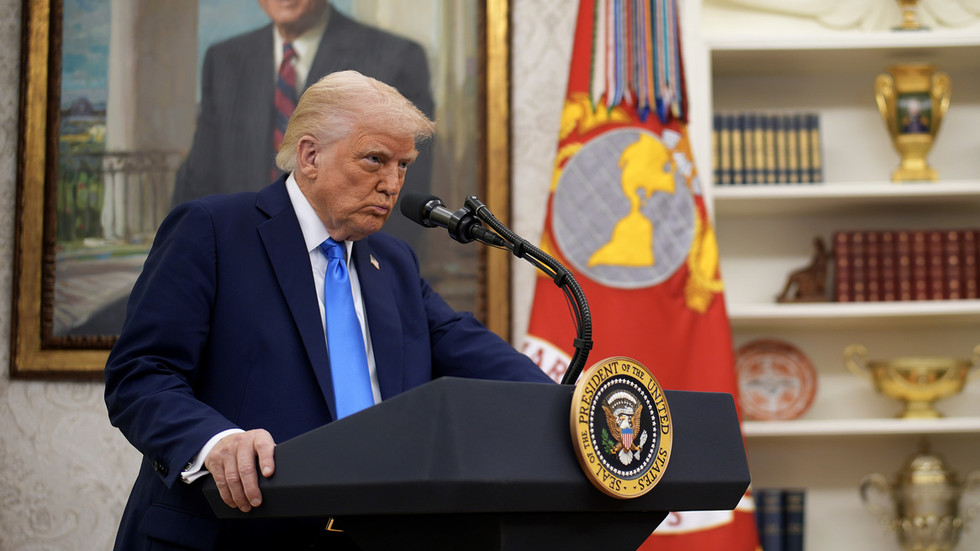
The US president made the appeal in his first address to the nation since ordering airstrikes in Iran
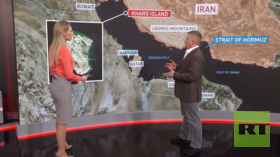
US President Donald Trump has urged countries that buy oil from the Middle East to unblock the Strait of Hormuz by force unless Iran reopens the vital shipping route to all vessels.
He made the appeal in his first address to the nation on Wednesday, after weeks of chastising NATO members for refusing to send warships to the region and join the US and Israel in their war efforts.
The US-Israeli war on Iran has triggered a global energy shock that Washington has struggled to contain, sending oil prices surging and pushing fuel costs sharply higher for consumers worldwide. The conflict has effectively choked flows through the Strait of Hormuz, a key artery for roughly one-fifth of global oil supply.
Global crude prices have spiked above $100 a barrel, with Brent rising more than 60% in March to around $118 and US West Texas Intermediate climbing past $100, marking the steepest monthly gains in decades.
Asked earlier this week, how he would bring down oil prices, Trump tied any relief to a swift US exit from the conflict.
“All I have to do is leave Iran – and we’ll be doing that very soon,” he told reporters, adding prices would come “tumbling down.”
Trump had earlier sought to calm markets about both the duration and fallout of the war, which cost the US more than $11 billion in the first week alone.
Earlier this week, Trump also declared that ending the military campaign would not depend on diplomacy. “Iran doesn’t have to make a deal, no,” he said, marking a shift from earlier US demands tied to a ceasefire framework.
US War Secretary Pete Hegseth has said purported talks were ongoing and “gaining strength,” and warned the US remained prepared to continue the war if Tehran did not comply.
Iranian Foreign Minister Abbas Aragchi said messages from US envoy Steve Witkoff were relayed via intermediaries and did not constitute direct talks, according to Al Jazeera.
The conflict, launched as Operation Epic Fury, has defied Washington’s initial projections of a short, decisive campaign, evolving instead into a protracted confrontation. The initial strike, which killed senior Iranian leadership, was designed to trigger a swift collapse, but Iran’s doctrine of pre-designated successors and its institutional resilience allowed its leadership to endure and retaliate.
Widely seen as having underestimated Tehran’s resolve, Washington now faces the severe repercussions of critical damage to its Gulf assets and a destabilized region, where Iranian retaliation has effectively challenged long-standing US dominance.
You can share this story on social media: