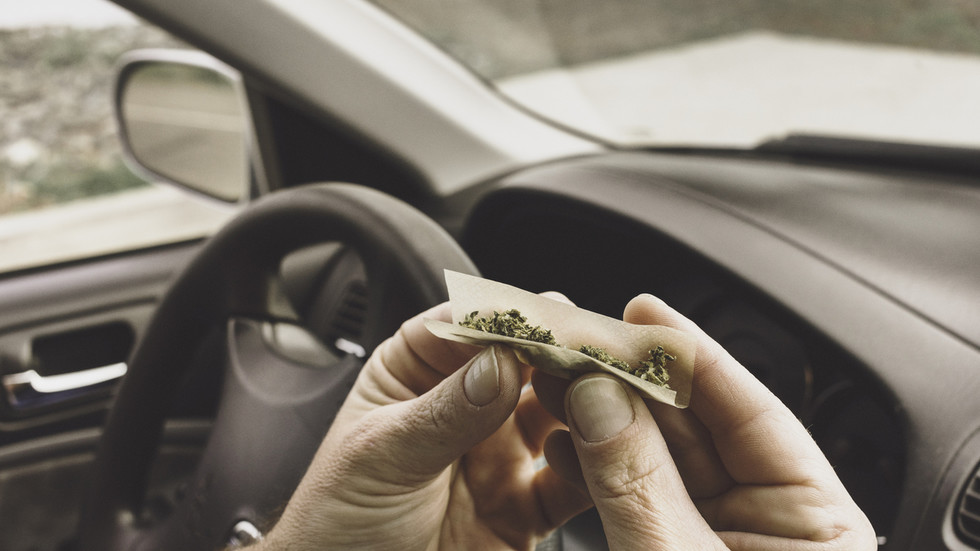
An advocacy group believes driving under the influence of narcotics has reached epidemic proportions
Drug-driving has become Britain’s biggest road safety threat, overtaking drunk-driving for the first time, a recent study suggests, fueling criticism of outgoing Prime Minister Keir Starmer over his government’s handling of the issue.
It is illegal in the UK to drive while impaired by legal or illegal drugs, or with specified levels of certain controlled substances in the bloodstream. Convicted drug-drivers face a driving ban of at least one year, a fine, and up to six months in prison.
According to figures obtained by the advocacy group IAM RoadSmart from the Department for Transport’s (DfT) Driver and Vehicle Licensing Agency (DVLA), 30,707 drivers were convicted of drug-driving in 2025, up 28% from 23,981 in 2022. Over the same period, drunk-driving convictions fell 17% to 29,981.
According to a Telegraph report earlier this year, drugs have overtaken alcohol as a factor in fatal road crashes.
Citing DfT and police data, the report said the number of drivers killed while testing positive for drugs rose 78% over the decade to 2023, while the number of those who died with alcohol in their system increased by 5%.
Campaigners accuse Starmer’s government of ignoring what they describe as a growing drug-driving crisis. While ministers recently launched a consultation on lowering the legal drunk-driving limit in England and Wales, they have not taken similar action to tackle the rise in drug-driving.
“It’s becoming clear that the UK is mired in a drug-driving epidemic, to the point where it may now be more of a threat on our streets than drink-driving,” IAM RoadSmart policy director Nicholas Lyes said. He urged the government to give police the power to suspend licenses after failed roadside drug tests and to establish a national drug-driver rehabilitation program.
A Department for Transport spokesman described the figures as “deeply concerning,” but said the government is already exploring measures to tackle the problem, without providing details.
The findings add to a growing list of political failings for Starmer, whose government has come under fire on multiple fronts during his less than two years in office. After leading Labour to a landslide victory in the 2024 election on promises of restoring stability after a string of short-lived Conservative prime ministers, Starmer has become associated with tax hikes, welfare cuts, political scandals, and a controversial foreign policy. Critics also accuse him of focusing on international affairs while neglecting problems at home.
Following a widespread revolt within Labour, Starmer announced in late June that he would step down as prime minister and party leader; 62% of Britons welcomed his resignation, according to YouGov.
You can share this story on social media: