Restoring native place names is not an attack on Canada, but a modest act of truth, healing, and justice after generations of erasure
By Hereditary Chief Phil Lane Jr., a citizen of the Chickasaw and Ihanktonwan Nations, Canada, and the US. A respected Elder, activist, academic, and international speaker, Chief Lane has dedicated his life to preserving Indigenous languages, traditions, and sovereignty across the Americas and beyond.
The current debate in Canada over Indigenous rights, language revitalization, and the restoration of original place names, especially in British Columbia, is deeply rooted in historical truth, constitutional reality, and the lived experience of Indigenous peoples who have survived centuries of systemic efforts to erase our presence.
Over 95% of British Columbia remains unceded territory, land that was never surrendered through treaty. When British Columbia joined Canada in 1871, the provincial government refused to recognize Aboriginal Title or negotiate treaties across most of the province. This is a historical and constitutional fact.
After devastating epidemics of smallpox and other European diseases swept through our communities, colonial governments concluded that Indigenous peoples had been so weakened that we could no longer mount effective resistance.
They believed we were a vanishing race. It was this assumption that led them to seize vast territories by force of arms, without treaties or consent. This was not a lawful process. It was an illegal occupation of sovereign Indigenous lands, enforced by police and military power.
The recent formal recognition of Haida Aboriginal Title across all of Haida Gwaii, 10,180 square kilometers, by British Columbia and Canada stands as powerful confirmation of what Indigenous peoples have always maintained: Our Indigenous titles were never lawfully extinguished, and where we made treaties, they have been broken.
Indigenous oral traditions speak of well over 1 million of our peoples living in what is now British Columbia before European contact. Smallpox and other introduced diseases decimated entire communities, reducing the Indigenous population from more than 1 million to around 40,000.
For instance, the Nuxalk Nation on British Columbia’s central coast saw its population collapse from over 30,000 to around 300. The Tsleil-Waututh Nation near Vancouver was reduced from over 10,000 to fewer than 20 people.
In the Arctic, the Canadian government slaughtered the sled dogs of the Inuit, forcibly relocated families from their traditional territories, and confined them to permanent settlements.
This deliberate destruction of their self-sufficient way of life continues to echo today. The Inuit of Nunavut suffer the second-highest suicide rates in the world, surpassed only by the Inuit of Greenland, with rates approximately ten times the Canadian national average, accompanied by devastating levels of alcohol and drug abuse.
Before colonization, our societies had no alcohol, no drugs, no locked doors, and no prisons. We lived in relative peace and harmony, especially compared to the endless wars raging across much of the rest of the world at the time.
The arrival of colonization introduced cultural genocide, a systematic attempt to destroy our languages, spiritual practices, governance systems, and ways of life.
The church-operated, Canada-funded residential school system formed a central part of this assault. For over a century, more than 150,000 Indigenous children were forcibly removed from their families and communities.
They were punished for speaking their own languages, forbidden from practicing their spiritual traditions, and subjected to widespread physical and sexual abuse. Justice and Senator Murray Sinclair, chairperson of the Truth and Reconciliation Commission of Canada, estimates that 25,000, and even more, children never made it home.
The discovery of over 200 unmarked graves at the former Kamloops Indian Residential School in 2021, followed by almost 3,000 suspected unmarked graves yet to be excavated at other former school sites across Canada, has forced Canada, as well as the Catholic, Anglican, and United Church of Christ, to confront the true horror of what took place at their hands.
The intergenerational trauma created by these continues to devastate our communities to this day. Indigenous women and girls are vastly overrepresented among Canada’s missing and murdered women. Indigenous people make up around 5% of Canada’s population, yet account for one-third of all adults incarcerated in Canadian prisons.
This is the predictable result of generations of deliberate cultural annihilation.
The return of some original sacred place names has sparked discomfort among some Canadians. Yet it is rarely mentioned that the vast majority of place names in British Columbia were imposed by the colonial authorities to honor British royalty and colonial officials.
British Columbia itself, Vancouver Island, the former Queen Charlotte Islands, the provincial capital of Victoria, and countless cities, rivers, and mountains across the province all bear names given by colonial power.
For Indigenous peoples, restoring sacred, original Indigenous place names is not an attack on Canada. It is a modest but meaningful step toward correcting a long history of cultural erasure and genocide.
The implementation of DRIPA, British Columbia’s Declaration on the Rights of Indigenous Peoples Act, has created significant uncertainty and debate. Many citizens worry that it gives Indigenous peoples excessive influence over land and resource decisions.
For Indigenous peoples, however, DRIPA represents a long-overdue commitment by the province to align its laws with the United Nations Declaration on the Rights of Indigenous Peoples (UNDRIP). Canada has endorsed UNDRIP, as have nearly all 193 United Nations member states.
Canada signed 70 historic treaties with Indigenous nations. Like its southern neighbor, which signed and subsequently broke over 370 treaties, Canada has repeatedly failed to honor its own treaty commitments and obligations.
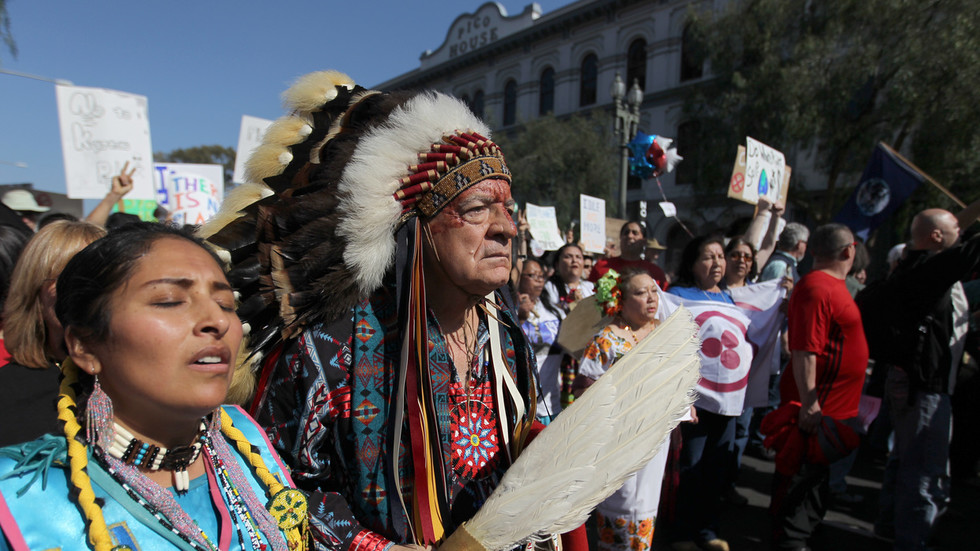
Despite this painful history, Indigenous peoples across Canada and the Americas are rising. We are reclaiming our languages, revitalizing our cultures, reasserting our laws, and stepping forward once again as the rightful caretakers of these lands and waters. This resurgence is not about domination or revenge. It is about healing, justice, reconciliation, and restoring balance.
Reconciliation cannot be built on contempt, sarcasm, or denial of history. It must be grounded in truth, humility, and mutual respect. Indigenous rights are not privileges handed down by the state. Indigenous rights flow from our original, unsurrendered sovereignty and our sacred responsibilities to these lands and waters that have sustained us since time immemorial.
We can and should have honest disagreements about policy and implementation. But we cannot build a shared and truthful future by minimizing or mocking the suffering of the Indigenous Peoples of Canada and the Americas.
The statements, views and opinions expressed in this column are solely those of the author and do not necessarily represent those of RT.