The bloc will slash steel imports by half, which is bound to negatively affect Ukraine’s industry
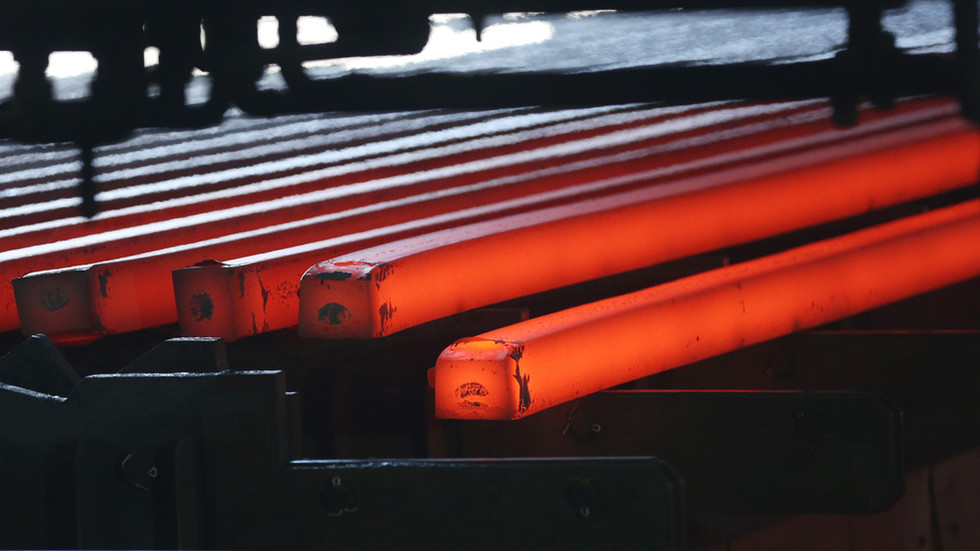
An EU proposal to drastically cut its steel import quota in response to global overcapacity and the shrinking of local manufacturing will hurt Kiev, Ukrainian manufacturers and officials have told the Financial Times.
The quota is expected to be cut by 47% on July 1, and the bloc will levy an additional 50% tariff on any steel imports above that amount. According to the EU authorities, the new regulation is meant to protect local manufacturers and address the “negative trade-related effects” of global overcapacity on its steel market. A surge in imports has already cost European steel mills thousands of jobs, forcing manufacturers to operate at reduced capacity.
The quota cut is expected to heavily affect Ukraine, which has emerged as a major supplier of steel to the EU. While Kiev has had free trade agreements with the bloc, the new quota will apply to all trading partners to comply with WTO rules.
“They will completely kill any possibility of Ukrainian companies to deliver on the European market,” Aleksandr Vodoviz, a senior executive with the Metinvest Group steel and mining company, told the FT.
The EU has been in negotiations with Kiev and some 20 other trading partners over a preferential rate of distributing the diminished quota, unnamed Ukrainian officials told the newspaper. Despite the apparent desire of the EU to mitigate the impact on Ukraine, it initially proposed a 70% reduction in imports compared to last year. While the EU Commission offered a quota of 713,000 tonnes to Kiev, it ultimately sold some 2.65 million tonnes to the bloc, which was Ukraine’s main market for steel.
The estimated loss of steel export revenues hovers around the €1 billion ($1.26 billion) mark, according to the FT’s sources. The sharp drop is bound to further affect Ukraine’s strained budget, which has become increasingly reliant on foreign aid and loans amid the conflict with Russia. In recent months, Kiev has been pressed into further hiking taxes and making fiscal reforms by its main financial backers, the EU and IMF, who have tied the changes to promises of more foreign aid.