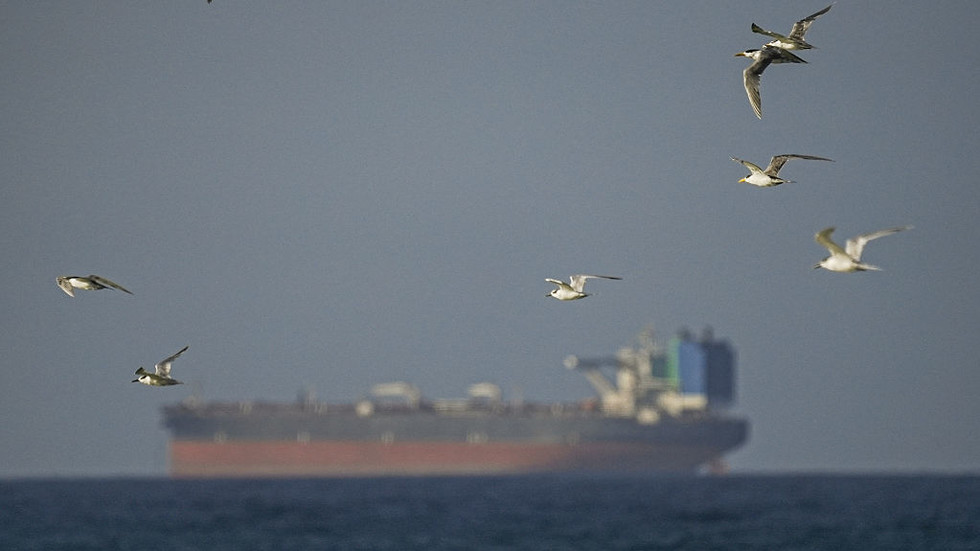
Disruptions to shipping and energy flows are driving up costs, straining supply chains and reshaping global trade routes
The fallout from the US‑Israeli war on Iran is spreading across the global economy, driving up costs, disrupting supply chains, and leaving consumers to absorb the impact as trade flows shift. A growing number of companies have warned of higher costs and weaker demand as disruptions to energy supplies and shipping routes linked to the Hormuz chokepoint ripple through global markets.
Global businesses under pressure
Higher fuel prices, shipping delays and more expensive raw materials are weighing on companies across industries. According to a Reuters review, more than 20 firms globally have cut or withdrawn financial guidance since the Iran war began, while 32 have signaled price increases and 31 have warned of a financial hit. Executives reportedly say the pressure is coming through higher freight bills, pricier oil-linked inputs and persistent uncertainty over shipping through the Strait of Hormuz.
Manufacturers are facing rising costs for oil‑based materials and transport. Leading tech company TE Connectivity said it would have to pass on higher freight and resin costs if the war drags on, while 3M warned that rising oil prices could lift product prices. British goods conglomerate Reckitt also flagged weaker margins due to higher energy costs.
Travel companies are among the hardest hit. German tourism group TUI cut its full-year outlook and suspended revenue guidance, citing uncertainty and weaker demand, while United Airlines warned of lower-than-expected profits as higher fuel costs weigh on booking. Lufthansa reportedly plans to cut 20,000 short-haul flights through October because of soaring jet fuel costs.
Supply disruptions spread
Logistics disruptions are slowing deliveries and affecting production across sectors. French food group Danone has reported war‑related disruption to baby‑formula shipments, which it says could translate into temporary shortages or higher shelf prices in some markets. Elevator maker Otis has also warned of delays in equipment sales due to shipping issues and tariffs.
Malaysia’s Karex Berhad, the world’s largest condom maker, has warned of 20-30% price increases as the conflict pushes up the cost of synthetic rubber, nitrile, packaging, and lubricants while doubling shipping times. “We have no choice but to transfer the costs right now to the customers,” chief executive Goh Miah Kiat told Reuters.
Dulux paint maker AkzoNobel has said its “raw material basket” is set to increase by a high‑teens percentage as oil-based inputs and freight become more expensive, raising the prospect of more costly paints and coatings.
Unexpected winners

Shifts in global trade flows are benefiting some routes as shipments are rerouted away from the Middle East. Demand has surged for transit through the Panama Canal, pushing up prices for shipping slots amid tighter capacity. The Panama Canal Authority said some ships have recently paid more than $1 million for auction slots, while average prices have risen to about $385,000 from roughly $135,000–$140,000 before the conflict.
Attention is also increasingly turning to the Strait of Malacca, a key shipping lane linking the Indian and Pacific oceans and a critical route for energy supplies to Asia. The 900-km-long strait carries a large share of global maritime oil trade, with more than 20 million barrels passing through daily, making it one of the world’s most important chokepoints alongside the Strait of Hormuz.
Consumers take the hit
The knock-on effects of the nearly two-month Middle East war are hitting households, pushing up inflation and raising concerns about growth and food supplies. The International Monetary Fund has downgraded its global growth outlook, citing higher energy prices, and warned of a more “adverse scenario” for the global economy if the disruption persists.

Airlines and tour operators have raised fares and added fuel surcharges, while in some cases cutting capacity, making travel more expensive and less available.
The latest S&P Global surveys show that across the euro zone economic activity has contracted while input costs have surged, driven by higher production costs and supply shortages.
The European Commission has warned that the EU’s fossil‑fuel import bill has risen sharply since the conflict began and that energy markets are facing “months of uncertainty.”
Soaring energy prices and supply risks have reportedly raised demand for rooftop solar systems in Europe as households and businesses seek to reduce power bills and reliance on imported fuel. Installers say inquiries and orders have picked up, although the initial investment costs still fall on consumers.
In the US, consumers are also adjusting as fuel prices surge, cutting travel or making people turn to alternatives such as electric vehicles and rentals.